The responsible farming of fish allows an ever-increasing global population to eat this protein with exceptional health benefits, whilst diminishing our reliance on decreasing wild fish stocks and the devastation that trawlers inflict on the ocean bed and wildlife. Only 5% of our food comes from the ocean, and fish has by far the most efficient carbon footprint, FCR and water consumption of any protein group.
But the critical word is responsible. We believe that the quality of our fish, our habitat, our environment and our community are inextricably linked, and it’s imperative that each aspect is looked after with absolute responsibility for a sustainable farming future. That means high welfare, high standards of operation, robust regulation – and good communication, so that consumers, faced with so much unreliable media and noise, can discern what good practice means and how their food really was grown.
We are accredited by Global GAP, the RSPCA, SEPA and BSC and are committed to transparency, publishing our sustainability report annually online.
Sustainable Scottish Trout
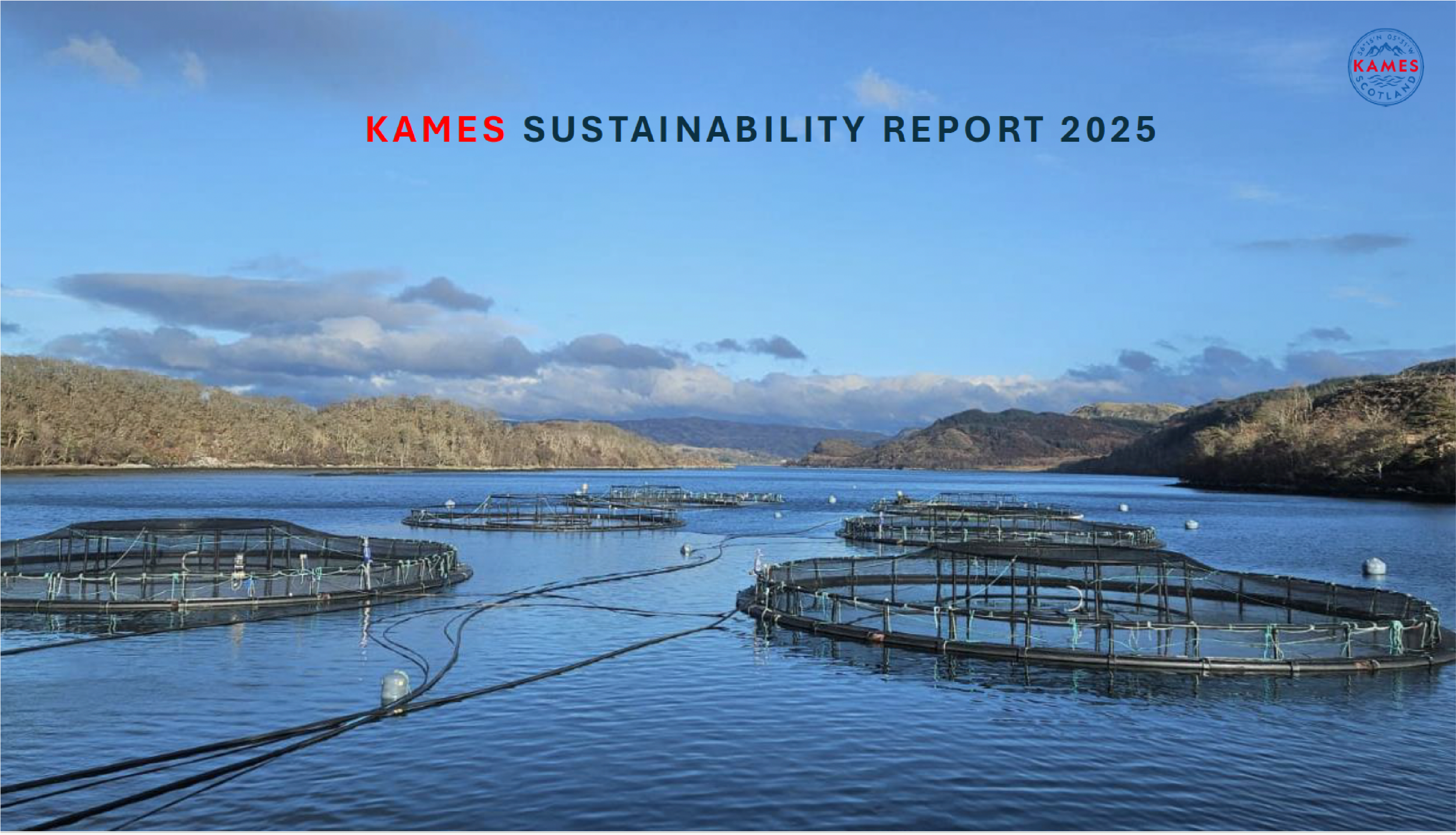
Click the image above to read our latest
Sustainability Report.

FAQs
-
Our trout, being Steelheads, have a natural inclination to migrate to the sea, and the vast volume of water and strong currents make them athletes; big, lean-textured and with a clean taste.
With such space and flow, they have a lower density than a pond or raceway river farm, and the currents also disperse waste away more easily, and use far less energy consumption than a land-based site. We try to ensure we are rearing them as naturally as possible, without over-fattening and following their natural life cycle pattern.
-
By keeping the number of fish in one area and stocking densities low, we know that both fish and water will be better quality, and the impact on surrounding fauna and flora minimal. We produce under 3k tonnes a year, which is about 0.25% of the Scottish salmon output.
We adhere to hands-on and skilled husbandry, with everyone in the team involved across the lifecycle, and integrated welfare and environmental checks at every site.
-
We go to great lengths to ensure our fish won't escape, investing in the highest-spec, low-impact netting.
All our fish are sterile (triploids), meaning that they won't mature, and can't mate with wild fish and contaminate wild fish gene pools.Wild fish decline is overall and part of a complex reduction in biodiversity that has much to do with deforestation, warmer sea temperatures and soil quality and run off. We work with the Wild Fisheries Trusts in each location we operate to monitor the welfare of salmon and trout in local rivers and support regeneration programmes in our hatcheries.
-
Only 0.5% of the sea is farmed, (compared to 37% of the world’s land) and farming fish indeed protects the seas from some of the devastation caused by trawling – it’s the more sustainable option for a secure food future.
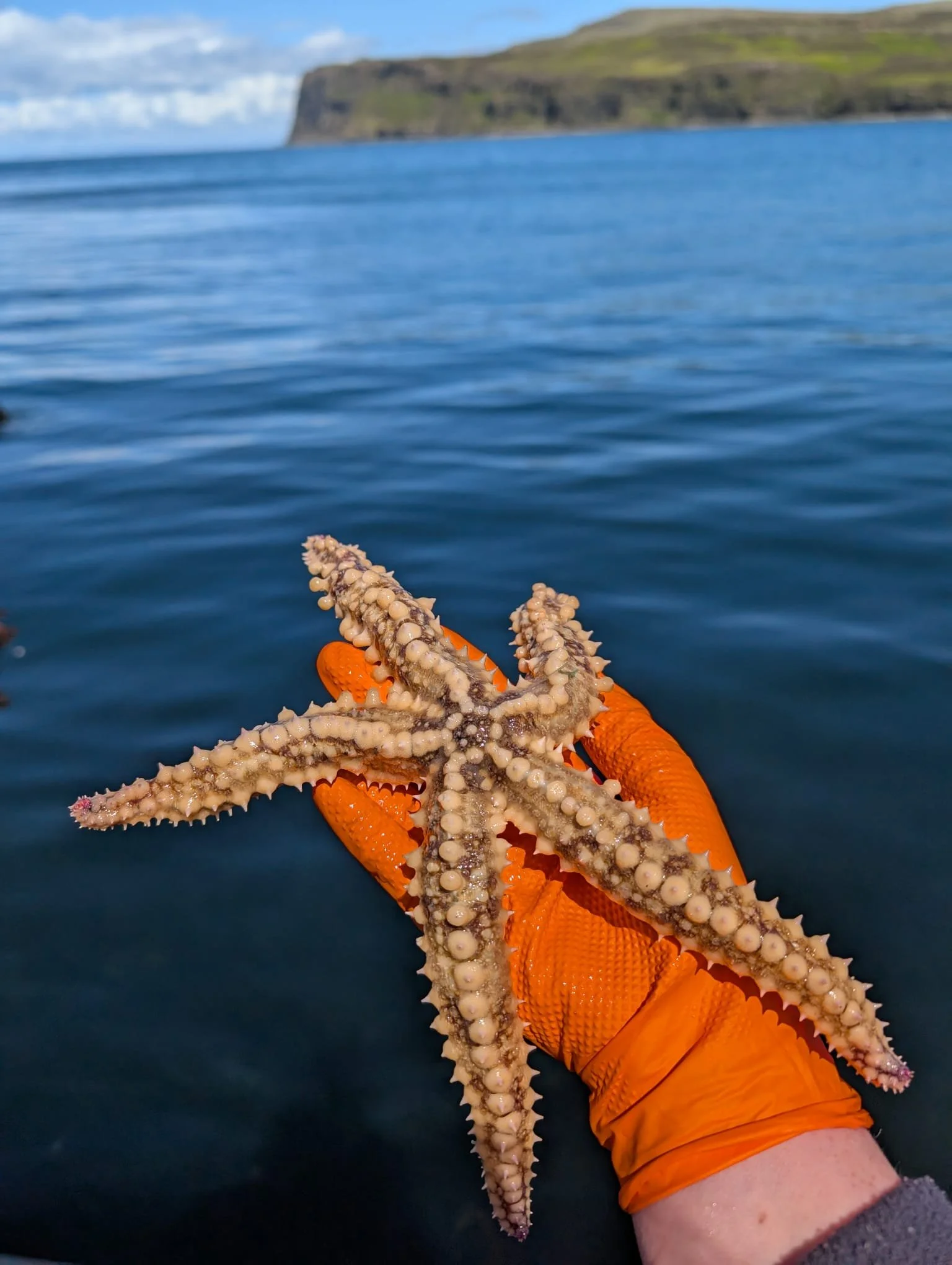
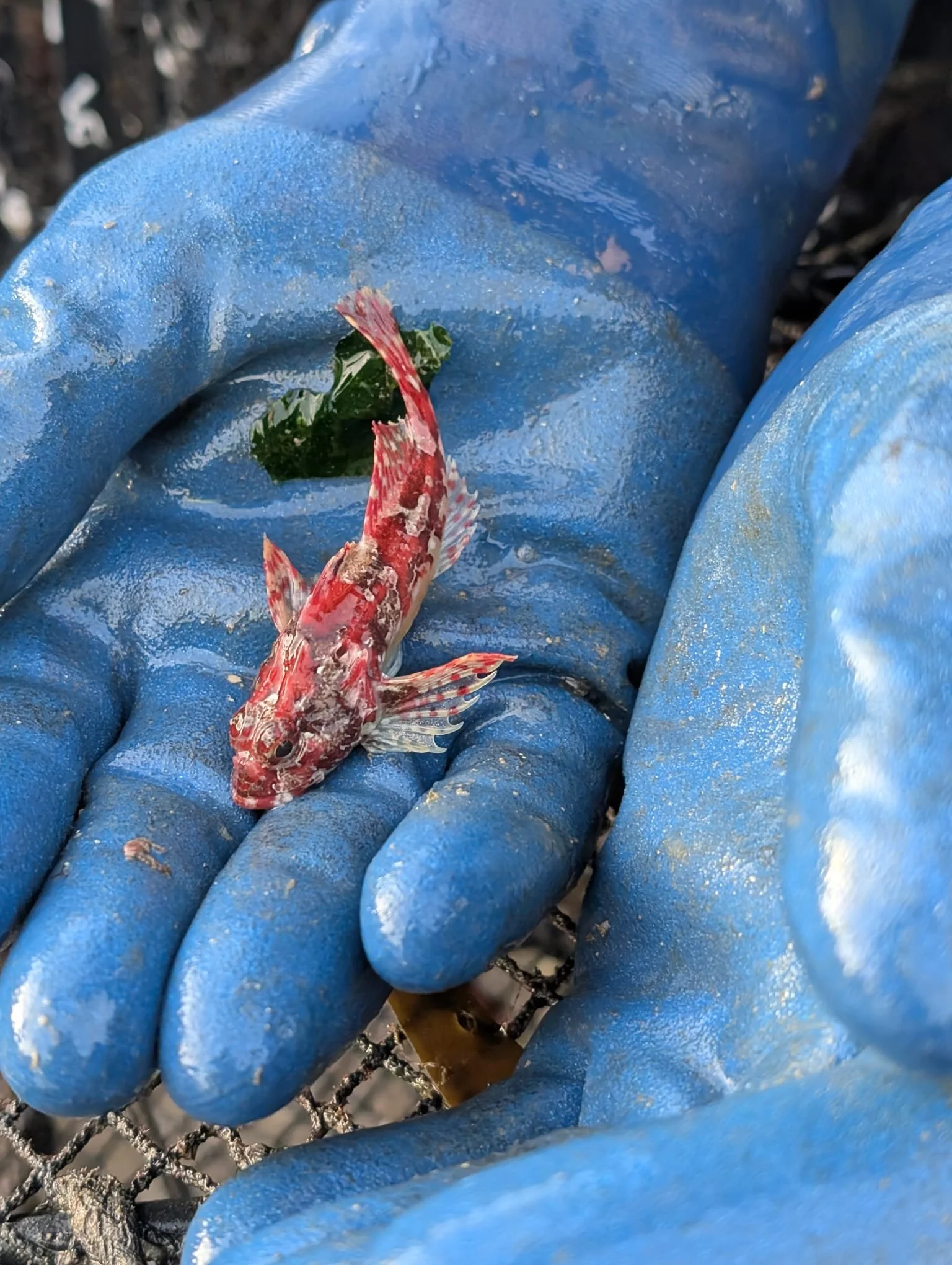
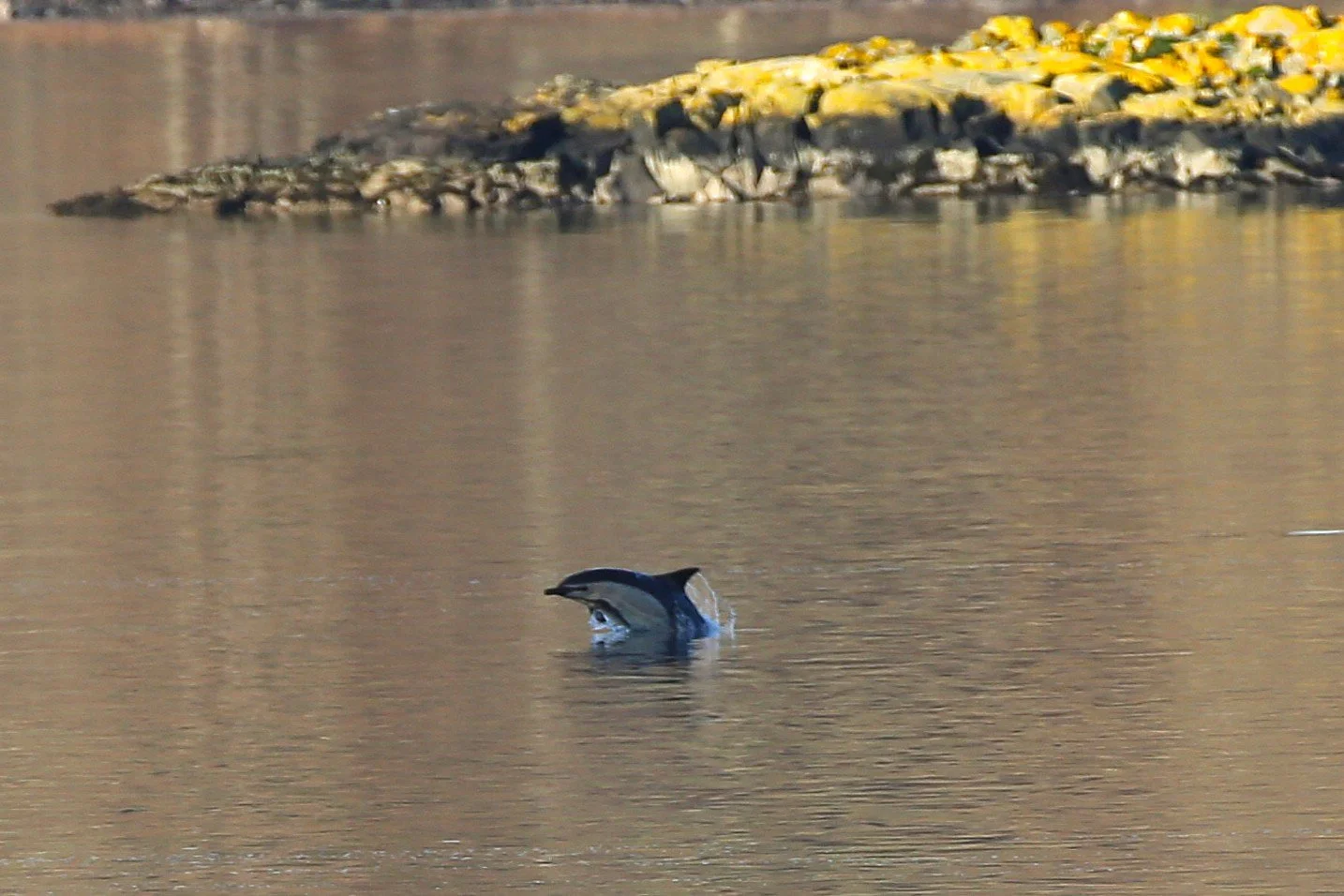
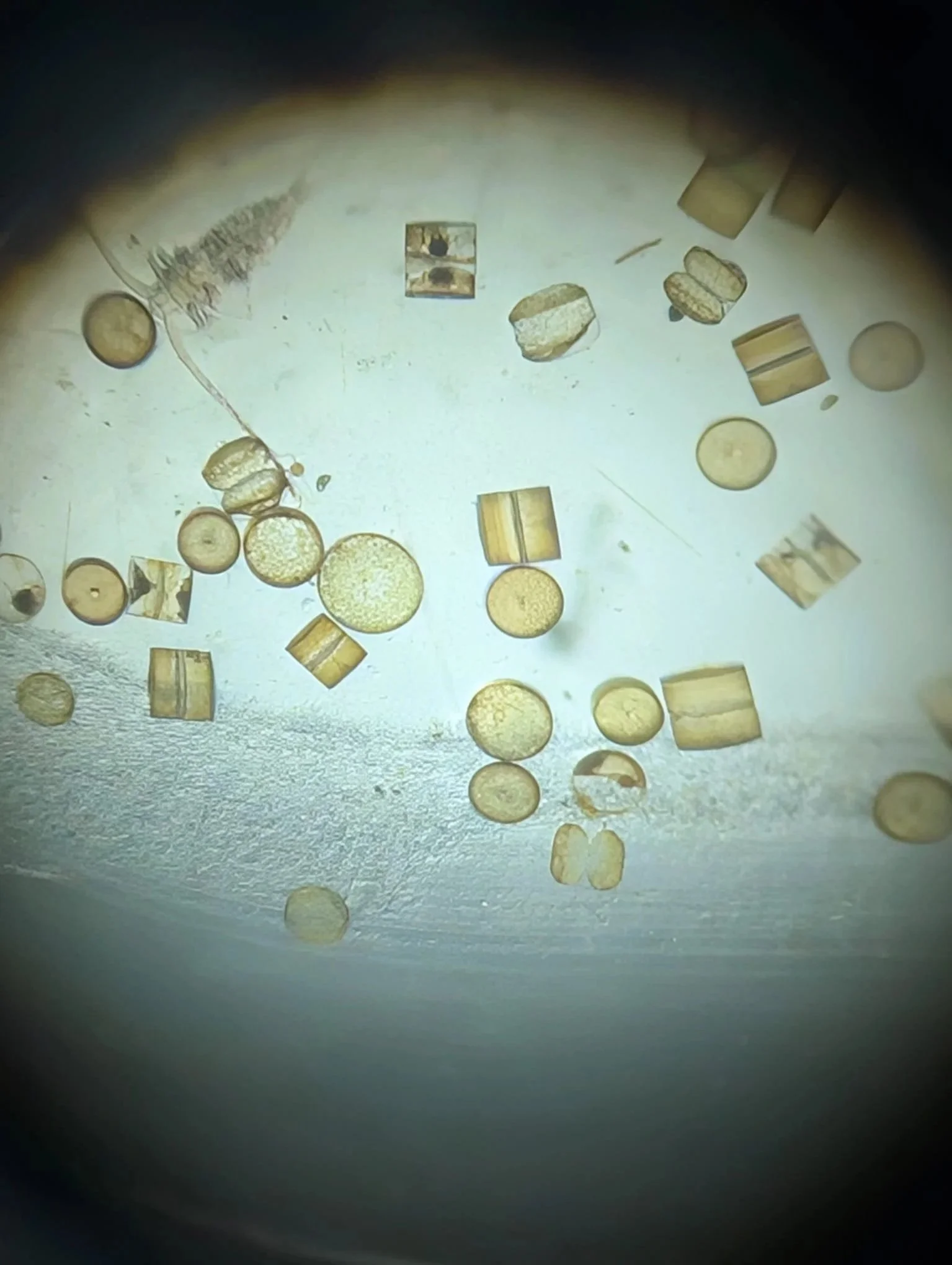
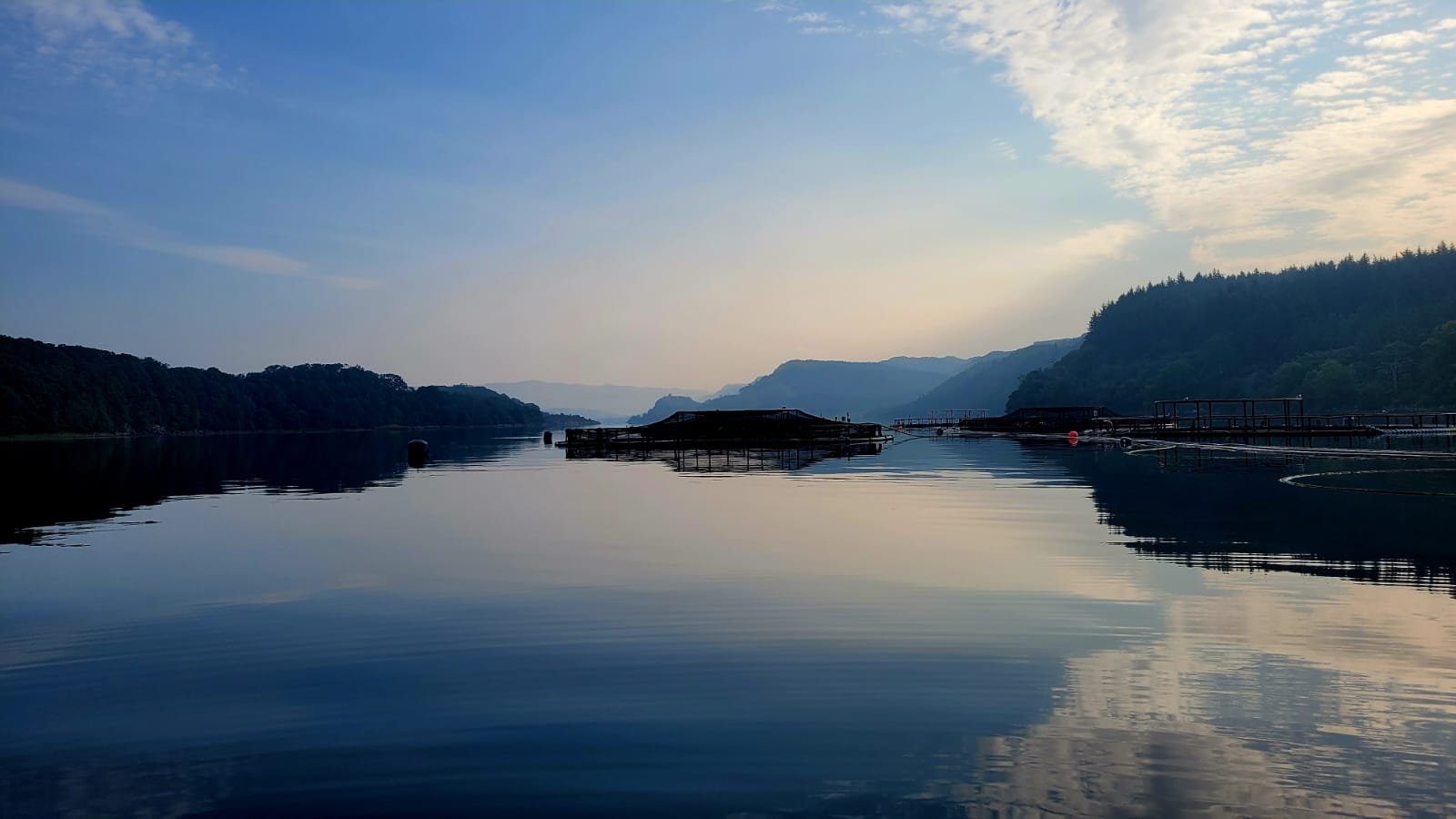
Our locations with fast-flowing water ensures waste breaks down quickly. As well as fallow periods, we conduct regular benthic sampling under our pens, and results have shown that the seabed recovers quickly and that our natural waste even contributes to specific microfauna, breaking it down into nutrients. Our pens sit alongside rare skate eggs, seaweed, sea grasses, cephapods, crustaceans and wild fish without disturbance.
-
We have a carefully tailored, well-balanced diet for optimum fish quality and health and high levels of Omega 3. 67% of our fishmeal is from trimmings.
We do not add hormones or GMOs to our feed.
-
We trace all our ingredients back to source with full transparency. We only use a small amount of marine ingredients which are regulated by the Marin Trust, and vegetable and soy ingredients are Terra Certified.
We have established a carbon reduction programme with our feed suppliers to work towards lowering carbon emissions and a commitment to using regenerative agricultural sources and trialling novel ingredients. Farmed fish remains the most efficient of all the animal proteins.
-
A common myth – no. In the wild, trout get their pink colour from eating carotenoids, found in crustaceans and other sea creatures like octopus and herring. Carotenoids also contain antioxidants and Vitamin A, so it's important we supply this nutrient in our fish food to replace the supplement they would have attained in the wild. Our carotenoids are fermented from micro-organisms that crustaceans feed on, meaning its a naturally sourced supplement, and without impact on wild fisheries.
-
Sea lice are a natural parasite in the sea, and trout have a particularly thick mucal layer that naturally protects them, preventing lice from gripping on.
Lice only become an issue if there’s too dense a fish population and there is a sudden proliferation due to coming in on the mackerel in warmer months, for example.
We mitigate this by keeping sites spread out and stocking densities low, by giving a fresh or warm water ‘bath’ treatment, and by adding greater mucal resistance by supplements in their feed.